Bringing a new kitten into your home is an exciting experience. Kittens are playful, curious, and full of energy, but they also require careful attention to stay healthy. Proper care during their early months can prevent many diseases and help them grow into strong, happy cats. Maintaining good health in kittens involves a combination of proper nutrition, vaccinations, hygiene, regular veterinary visits, and careful monitoring for any signs of illness.
Kitten Vaccinations: Protecting Against Common Diseases
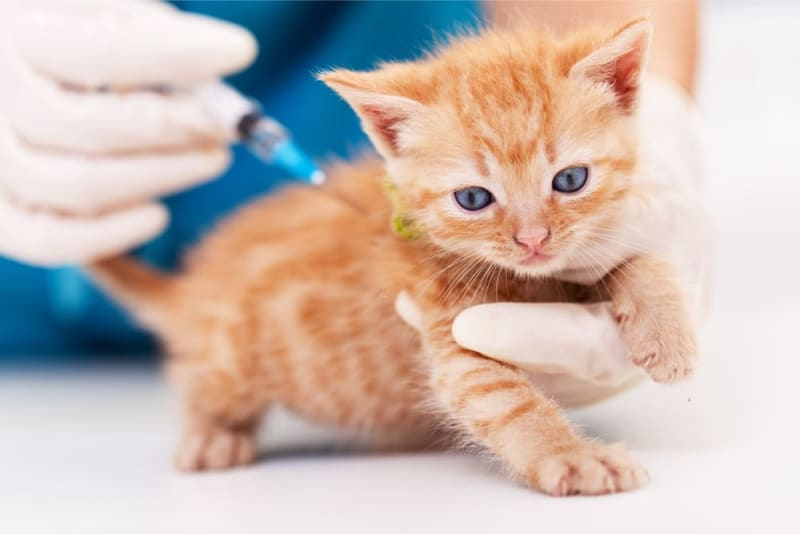
One of the most important steps in keeping your kitten healthy is ensuring they receive the recommended kitten vaccinations. Vaccinations protect kittens from serious illnesses such as feline distemper, calicivirus, and feline herpesvirus. These vaccinations are usually given in a series, starting at around six to eight weeks of age, with boosters following every few weeks until the kitten is about 16 weeks old. Following the vaccination schedule prescribed by your veterinarian is essential to provide your kitten with the best protection against preventable diseases.
Proper Nutrition for Growth and Immunity
Feeding your kitten a balanced and nutritious diet is vital for their growth and immune system development. Kittens require more protein, fat, and essential nutrients than adult cats. High-quality commercial kitten food provides the right balance of nutrients, vitamins, and minerals. Avoid giving kittens cow’s milk, as it can upset their stomach and cause diarrhea. Fresh water should always be available to keep your kitten hydrated. A well-nourished kitten is better equipped to fight infections and stay disease-free.
Maintaining Hygiene and Cleanliness
Hygiene plays a crucial role in preventing illness in kittens. Keep your kitten’s litter box clean and change the litter frequently to reduce the risk of infections. Wash their bedding regularly and clean food and water bowls daily. Groom your kitten gently to remove loose hair and check for any signs of skin problems or parasites. Regular grooming and maintaining a clean environment help minimize the spread of germs and keep your kitten comfortable and healthy.
Regular Veterinary Check-Ups
Routine visits to the veterinarian are essential for monitoring your kitten’s health. Your veterinarian can detect early signs of illness, provide guidance on nutrition and behavior, and administer necessary treatments. During check-ups, your veterinarian may recommend preventive medications or treatments, such as Ampicillin for Injectable Suspension, which can be used under veterinary guidance to treat bacterial infections in kittens. Early intervention ensures that your kitten recovers quickly from any health issues.
Parasite Prevention
Kittens are vulnerable to internal and external parasites such as worms, fleas, and ticks. Regular deworming and flea control are necessary to prevent health problems. Your veterinarian can recommend safe medications and treatments appropriate for your kitten’s age and weight. Preventing parasites not only keeps your kitten healthy but also protects other pets and family members from potential infections.
See also: How Datasets Store Simplifies Access to Reliable Data?
Socialization and Stress Reduction
A healthy kitten is not just physically fit but also emotionally balanced. Socialization helps reduce stress and anxiety, which can impact the immune system. Spend quality time playing, cuddling, and gently handling your kitten to help them adjust to their new environment. Stress-free kittens are less likely to develop health problems, and proper socialization ensures they grow into well-adjusted adult cats.
Monitoring for Signs of Illness
Even with proper care, kittens can still develop health issues. Pay close attention to changes in appetite, energy levels, litter box habits, or any unusual behavior. Early detection of symptoms such as vomiting, diarrhea, coughing, or sneezing allows prompt veterinary care, reducing the risk of severe illness. Quick action can prevent minor problems from becoming serious.
Conclusion
Keeping your kitten healthy and disease-free requires a combination of proper nutrition, hygiene, vaccinations, preventive care, and regular veterinary attention. Ensuring your kitten receives kitten vaccinations, maintaining a clean environment, and using treatments like Ampicillin for Injectable Suspension when necessary are essential steps in safeguarding their health. By being proactive and attentive, you can help your kitten grow into a strong, happy, and thriving cat, giving them the best start in life.