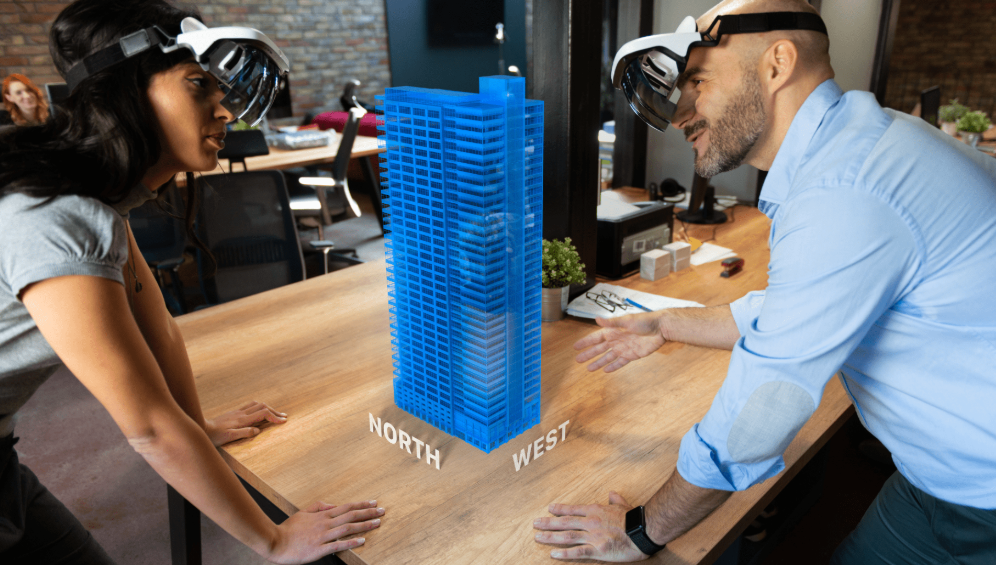
Augmented Reality (AR) is revolutionizing how properties are visualized in the real estate sector. By enhancing traditional property tours, AR allows prospective buyers to interactively engage with spaces, gaining a clearer understanding of dimensions and layouts. This technology not only supports virtual staging but also facilitates personalized modifications to floor plans. As AR continues to evolve, its potential implications for sales and client engagement warrant further exploration.
Enhancing Property Tours With AR Technology
As the real estate industry increasingly adopts advanced technologies, augmented reality (AR) emerges as a transformative tool for enhancing property tours.
AR enables augmented walkthroughs that create immersive experiences, allowing potential buyers to visualize properties in a dynamic manner. This technology not only streamlines the viewing process but also empowers users to engage with spaces in ways that traditional methods cannot achieve, fostering informed decision-making.
See also: How AR Ads Are Shaping the Future of Advertising
Visualizing Floor Plans and Layouts
While traditional blueprints often leave buyers grappling with abstract dimensions and spatial arrangements, AR technology revolutionizes the way floor plans and layouts are visualized.
By enabling immersive floor plan comparisons, AR empowers potential buyers to engage with properties on a deeper level, facilitating informed decisions.
Additionally, layout customization features allow users to envision personalized spaces, enhancing the freedom to create their ideal environment.
Virtual Staging: Transforming Spaces
Virtual staging has emerged as a groundbreaking solution in real estate marketing, offering a compelling way to showcase properties without the need for physical furniture or decor.
By utilizing virtual furniture, agents create immersive experiences that allow potential buyers to visualize spaces effectively.
This innovative approach not only enhances property appeal but also provides a flexible, cost-effective alternative to traditional staging methods, transforming how real estate is presented.
Accelerating Sales With Interactive Experiences
Interactive experiences in real estate have the potential to significantly accelerate sales by engaging potential buyers in a dynamic way.
Immersive walkthroughs offer clients the freedom to explore properties interactively, enhancing client engagement. This innovative approach not only captivates interest but also fosters emotional connections, ultimately leading to quicker purchasing decisions.
Conclusion
In the realm of real estate, augmented reality serves as a guiding lantern, illuminating the path for buyers through the often murky waters of property selection. By transforming static spaces into dynamic canvases, it empowers users to envision their future within these walls. This innovative tool not only streamlines the sales process but also fosters a deeper connection between buyers and properties, ensuring that each transaction is not merely a sale, but the beginning of a new story.